In Dallas heat, the type of film on your car matters more than in milder climates. Film that's under stress, like calendered vinyl stretched over a bumper, is more likely to shrink back and lift when the panel gets hot day after day.
Cast vs calendered vinyl: the short answer
Cast vinyl is made to be stretched over curves; calendered vinyl is made for flat surfaces. That difference comes from how each film is manufactured.
For a full color change wrap, cast film is the standard at professional shops. Calendered film still has good uses, mostly on flat panels and short-term graphics.
| Factor | Cast vinyl | Calendered vinyl |
|---|---|---|
| How it's made | Liquid poured and cured into a thin sheet | Heated plastic rolled and stretched into a sheet |
| Thickness | Thinner | Thicker |
| Conforms to curves | Very well | Poorly; tends to pull back |
| Shrinkage over time | Minimal | More likely |
| Typical use | Full wraps, color changes, complex bodies | Flat lettering, window and short-term graphics |
| Cost | Higher | Lower |
General characteristics. Individual products vary; check the manufacturer's data sheet.
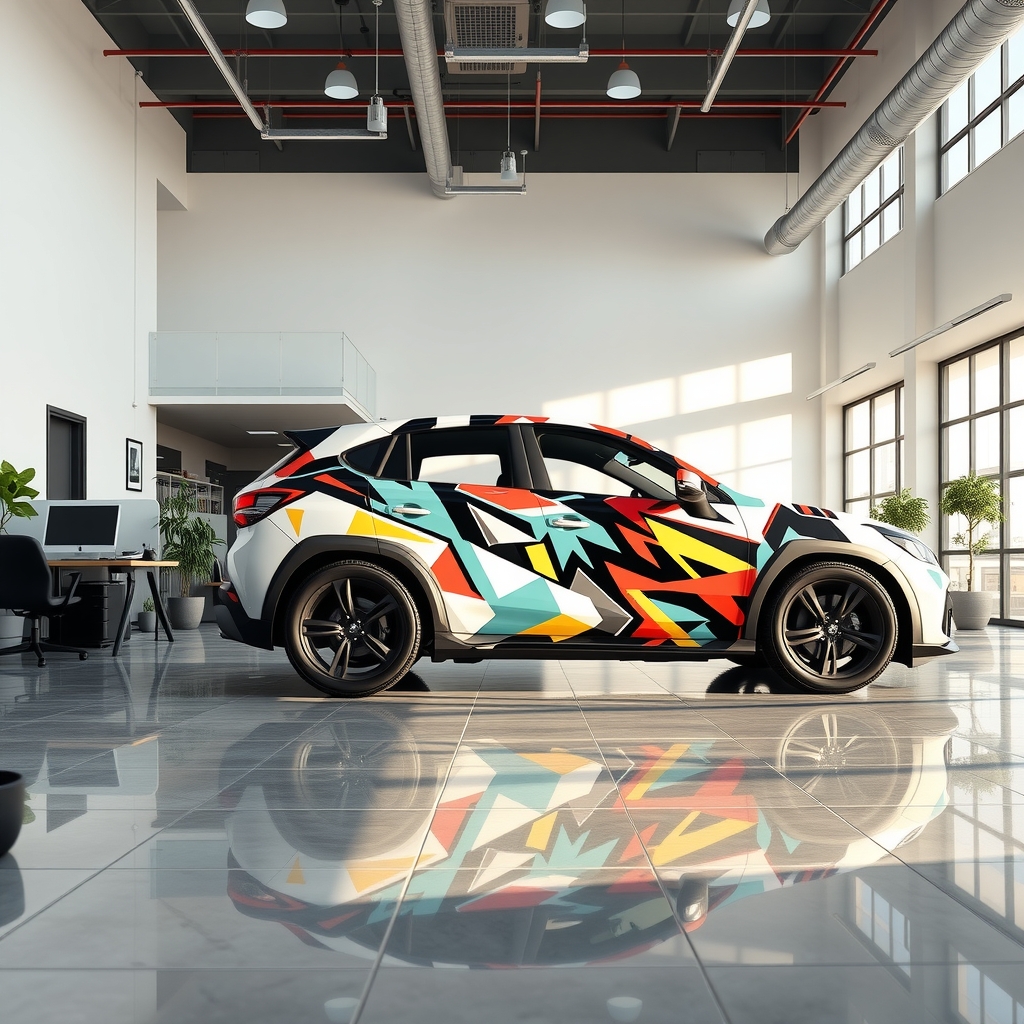
How cast vinyl is made and why it matters: Cast Calendered Vinyl Wrap
Cast vinyl starts as a liquid that's poured onto a carrier sheet and cured. Because it isn't stretched during manufacturing, it has very little 'memory' pulling it back to a smaller size.
That's why it can be heated and formed into recesses, around mirrors and over bumpers and stay there. Most premium color change films sold for full wraps are cast.
How calendered vinyl is made and why it shrinks
Calendered vinyl is pressed and stretched through rollers into a sheet. That process builds tension into the film.
When calendered film is stretched again over a curve and then heated by the sun, it tries to return to its original shape. The result can be shrinking at the edges, lifting in recesses and visible adhesive lines, which is why cheap wraps often fail early.
Why do cheap car wraps fail?
Most early wrap failures come from the wrong film, rushed prep or skipped post-heating. A very low wrap quote often means calendered or unbranded film on curves, little cleaning, or no post-heat on stretched areas.
In Texas sun, those shortcuts show up quickly as lifting edges, bubbles and fading. Read our checklist for choosing a wrap shop to know what to ask.
- Calendered film used on bumpers and curves
- No clay bar or degreasing before install
- Edges not post-heated to lock in the stretch
- Trim and handles wrapped around instead of removed
- Film overstretched to save material
Car wrap film thickness and rock chips
Wrap vinyl is thin, usually just a few mils, so it does little against rock chips. Its job is color and finish, plus protection from UV and light scuffs.
Paint protection film is much thicker and made of urethane, which is why it absorbs impacts. If you drive Dallas highways daily, pair your wrap with PPF on the front end.
When calendered vinyl makes sense
Calendered film is a good value for flat, simple, short-term jobs. Cut lettering on a flat van side, window graphics and temporary promotions are common uses.
For commercial vehicles, many shops use cast film for printed wraps on curved panels and calendered film for simple flat lettering. Our commercial and fleet wraps page explains options.
What to ask about film in your wrap quote
Ask for the brand and product line, not just 'premium vinyl'. A clear answer lets you look up the film's data sheet and compare quotes fairly.
Also ask whether the same film is used on every panel, how edges are finished, and whether the quote includes post-heating. If you're comparing brands, see 3M vs Avery vs KPMF.
Getting the right film for your car
Tell us your car, how it's parked and how long you want the wrap to last, and we'll recommend a film that fits. Request a free quote or call (469) 971-2565. We work with drivers across Dallas, Richardson and Garland.
The bottom line
Cast vinyl is the right film for full car wraps, while calendered vinyl fits flat, short-term graphics. Pro Car Wraps Dallas serves Dallas, Plano, Frisco, Richardson, Addison, Carrollton, Allen, McKinney, Garland and Southlake. Request a free quote or call (469) 971-2565.